Flashing problems on roofs and other exterior construction joints can enable water penetration and cause a lot of costly damage. Missing or mis-installed flashing is one of the most common discrepancies we find during our McKinney and Frisco area home inspections. Improperly flashed roofs, doors and windows can allow water to enter the house, creating damage which is expensive to repair.
Proper window, door and roof flashing is an important construction detail and is often improperly installed. It is the component that keeps water from entering joints between dissimilar building materials or other locations subject to water penetration. Flashing comes in many different shapes and sizes and is made of a number of different materials. Aluminum, galvanized metal, plastic, rubberized asphalt, butyl rubber and other specialty components are supposed to be installed in a manner that will prevent water from entering the structure.
A large percentage of Austin’s construction problems are water issues that can usually be traced back to the omission of or incorrect installation of roof and wall flashing. Most roof leaks and almost all wall leaks are directly related to flashing problems. Unfortunately the building codes have very little to say about flashing. The 2000 International One & Two Family Dwelling Code (residential) is a 566 page document that has only a few paragraphs dedicated to flashing. I have included those paragraphs at the end of this newsletter. Below are pictures that will help you to understand how flashing works and where it belongs.
Flashing Behind Wall

There should be a metal Z-bar type flashing installed above the piece of trim that spans horizontally over the window. Flashing in this location would help to prevent the water that will run off the roof directly above the window from entering behind the trim and creating a leak.
The roof to sidewall flashing also terminates behind the siding. This is certain to leak into the wall — contributing to wood rot, probably interior staining and possibly other issues such as mold growth.
Other issues evident in this picture include the fact that the siding is too close to the roof shingles and caulking is missing at gaps between the siding and trim.
Window Flashing Problems
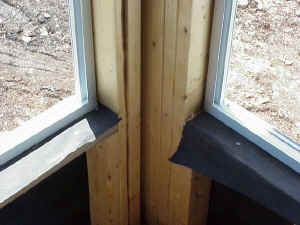
Once water enters behind the siding at the window and is channeled down the wall, it is likely to find another line of defense that has not been properly installed.
The moisture barrier at the base of these windows should be turned up the sides of the windows. As it sits, any water channeled into this area will simply leak into through the joint at the window jamb.
Improper Flashing on Stucco
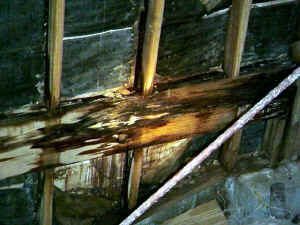
This is a picture of what happens when you don’t flash a stucco wall system properly. Rot and mold are inevitable when water is allowed to penetrate the building envelope. This is not a scare tactic.
This is reality! This flashing problem was found in a multi-million dollar lake home in the heart of Austin. It was estimated that the 5,000 square foot home needed approximately $100,000 of repairs.
Exterior Sheathing
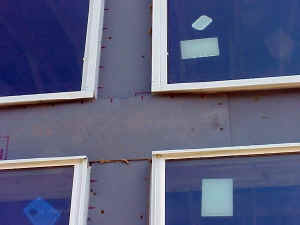
The sheathing at the exterior of this home has not been set in shingle fashion. Any water draining down the center section between the two upper windows will be directed into the wall when it hits the piece of horizontal sheathing that is installed directly below the upper windows.
Of course, sheathing is not a good substitute for flashing in the first place. Unfortunately, the building code allows the flanges on the windows to act as a substitution for flashing. This is why it is not uncommon to find leaking windows and other flashing problems in 5-7 year old Texas homes.
Window Behind Sheathing
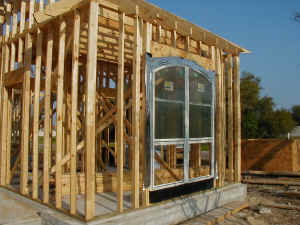
It is inevitable that the stucco to window junctions on this home are going to leak. When you start out wrong, you are guaranteed to end up with problems later.
No Lintel Flashing
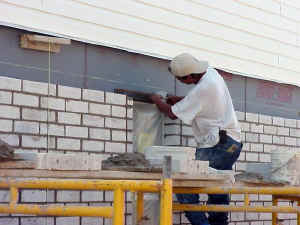
This brick mason is about to install brick over a lintel that has not been flashed into the wall properly. This guarantees that at least a portion of the water that is absorbed into the brick and mortar will leak past the lintel.
Weep holes above lintels are not effective if the water never makes it to the weep hole in the first place. Unfortunately, many homes around the Austin and Dallas areas are built with this same carelessness.
After Market Weep Hole
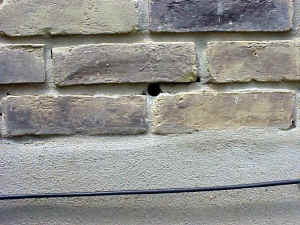
This weep hole is not installed at an appropriate location in the brick veneer wall. This leads me to be fairly certain that there is no flashing in the wall assembly behind the brick. If the flashing is present, chances are good that it is not properly installed.
The weep hole will allow air to enter the brick veneer system and dry out the wall, but it is not set in a location that will allow water that has entered the system to drain out of the wall. Weep holes should be installed at the first course of masonry above the foundation and at the base of the wall system in all other applicable locations, such as above doors and windows.
No Pan Flashing At Door

This is a great example of what happens when flashing is not installed below a door that is subject to splash back or wind driven rain. For some reason, the city of Austin does not require pan flashings at exterior doors.
Regardless of minimal standards, proper threshold flashing is always a good idea. While it is not common to find this piece of flashing installed, water penetrations, wood rot and damage at exterior doors is very common.
Poor Shingle Flashing
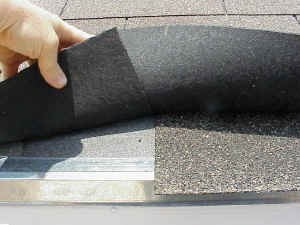
This photo illustrates the most common method of shingle application in Central Texas. The underlayment has been installed beneath the metal drip edge. The manufacturer requires this on the rake edge of the roof. To avoid flashing problems, the underlayment should be installed on top of the drip edge on the downhill side of the roof.
The starter course has not been installed in accordance with manufacturer installation recommendations either. The lower tabs of the shingles should be removed from the starter course. This allows the sealant on the shingle to provide a tight seal right at the edge of the roof and helps to prevent leaks from occurring.
Missing Wall Flashing

To start with, the masonry sidewall at this brand new home is not supported properly (I’ll discuss that in another post). The flashing problems here are complicated. For starters, the roofing contractor has installed turn-back flashing behind the brick wall which is a definite no-no. Now he is going back and installing step and counter flashing after-the-fact. However, there is still no through-wall flashing or weep system to handle water that is absorbed through the brick wall. Inevitably, water will be absorbed into the wall space and will not have a way to escape the structure without creating unwanted problems.
This issue goes right to the heart of the entire flashing problem — no one is directly responsible for flashing as a “system”. The roofer is responsible for the step and counter flashing that keeps water from entering the roof/wall junction, but he should not be responsible for the brick flashing that handles water after it is absorbed into the brick veneer wall. It seems to me that that is the mason’s responsibility.
The builder obviously does not know enough to tell his subcontractors what to do, and the subcontractors claim to have done it to “industry standards” or builder specifications. In many examples, the building code is either not enforced or does not specifically address the issue at hand. The industry standards are outdated and today’s complicated structures require more forethought and planning than we are finding in the our home inspections.
For more information on flashing problems — and the preferred methods of installing flashing, please visit our Single Family Dwelling Codes page.
Hi Ed,
Thanks for taking the time to post this info. And like you point out on the multi-million dollar house that needed over $100,000 in repairs, improper installation can cause a HUGE amount of damage.
I see this all the time, especially around chimney areas.
Hi Todd,
Flashing done properly is a rarity, some builders obviously never even heard of step flashing.
Ed
I really appreciate what you have to say about flashing. I’m a builder and I certainly don’t claim to know everything there is to know about flashing, but I do recognize the importance of flashing in maintaining building integrity over the long run. Do you have any good sources for flashing education that you would recommend?
thanks,
Carl
Hi Carl,
Yes, flashing is seldom done properly and usually not discovered until it is too late.
Thanks for the comments.
Ed